
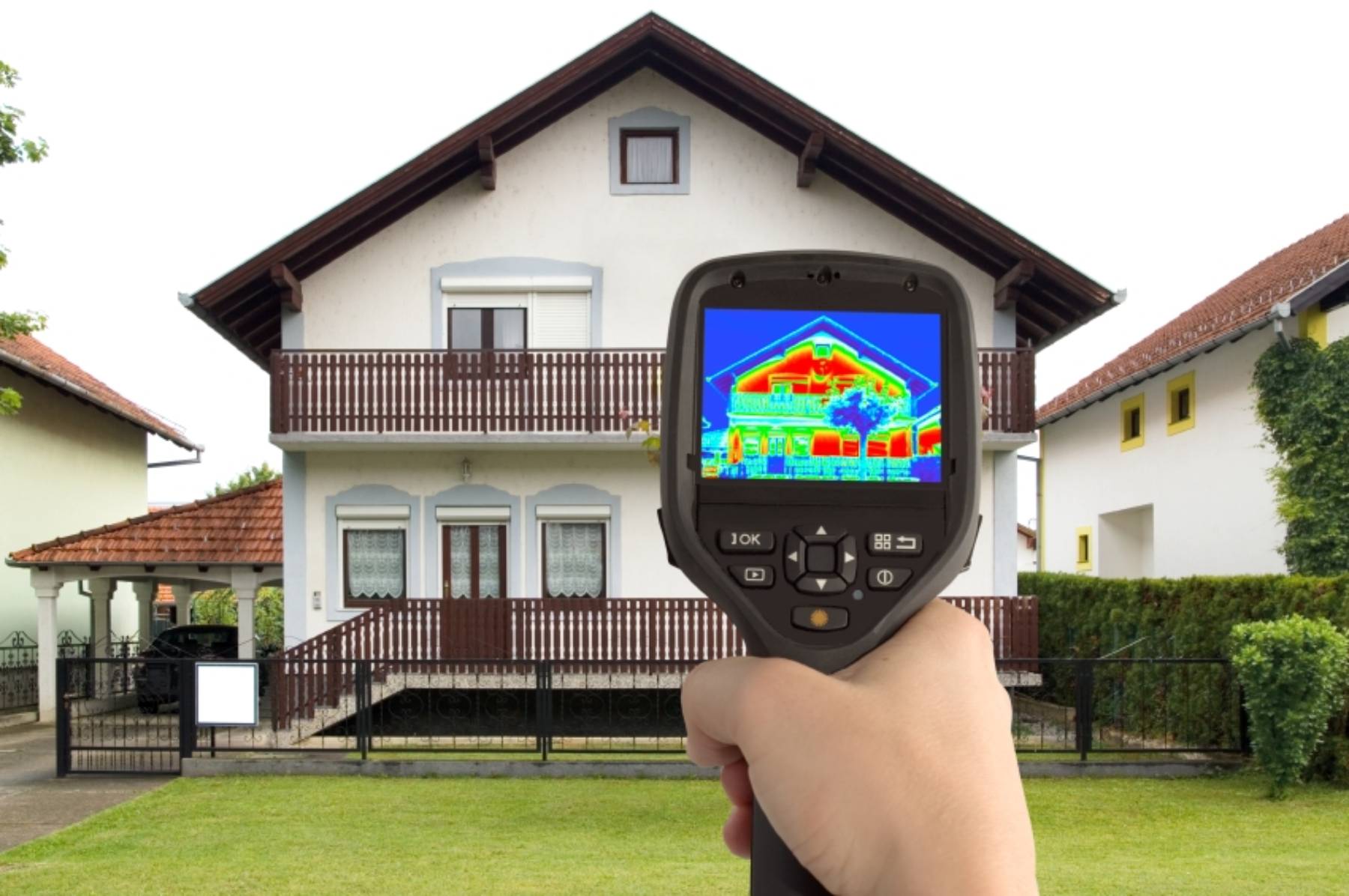
A visual walkthrough of a home only tells part of the story. Behind drywall, insulation, and flooring, problems can be developing quietly for years without ever showing an obvious sign on the surface. A thermal imaging inspection uses infrared technology to detect temperature differences invisible to the naked eye, turning hidden issues into a clear, documented image that both the inspector and the homeowner can see and understand together.
How a Thermal Imaging Inspection Works
Every material in a home radiates a slightly different amount of heat depending on its condition, moisture content, and how well it is insulated. A thermal imaging inspection captures those temperature variations using an infrared camera, converting them into a color-coded image where warmer and cooler areas stand out clearly. A cold streak running along a ceiling might indicate a missing section of attic insulation, while a warm patch behind an outlet cover could point to a loose electrical connection generating excess heat. This is the same underlying technology described in the U.S. Department of Energy’s guide to home energy assessments, which notes that a professional assessment may use equipment such as blower doors, infrared cameras, and moisture meters to build a complete picture of a home’s condition.
What a Thermal Imaging Inspection Can Reveal
Moisture intrusion is one of the most valuable findings a thermal imaging inspection can uncover, since water often changes the surface temperature of the surrounding material well before any visible staining or damage appears. An inspection can also flag areas of missing or compressed insulation, air leaks around windows and doors, and overheating components in the electrical panel or branch circuits. In older Sandhills homes with additions or renovations completed at different times, a thermal imaging inspection often reveals inconsistent insulation coverage that would otherwise go unnoticed for years.
Why Pineland Inspections Includes Thermal Imaging on Every Job
Many companies charge extra for a thermal imaging inspection, often pricing it as a standalone add-on service. Pineland Inspections includes thermal imaging with every full home inspection at no additional cost, representing meaningful added value on top of the standard inspection fee. This means every buyer, seller, and homeowner working with Pineland Inspections benefits from an inspection automatically, without needing to request it separately or pay more to access the technology.
Thermal Imaging Inspection Limitations Worth Understanding
A thermal imaging inspection is a powerful diagnostic tool, but it is not a substitute for physical inspection and testing. Infrared cameras detect temperature differences, not moisture or electrical current directly, which means findings from an inspection are often confirmed with a moisture meter or further hands-on evaluation before conclusions are drawn. Weather conditions also affect results, since a thermal imaging inspection works best when there is a meaningful temperature difference between indoor and outdoor air, making certain seasons more revealing than others for specific types of findings.
Getting the Most Value from a Thermal Imaging Inspection
Homeowners preparing for a sale, a purchase, or simply routine maintenance benefit most when a thermal imaging inspection is paired with a full structural and mechanical evaluation. Findings from the infrared scan give context to what an inspector sees during the rest of the walkthrough, and the resulting images provide documentation that is easy to share with a contractor if repairs are needed. A thermal imaging inspection turns an abstract concern, like a slightly higher energy bill or a room that never feels quite warm enough, into a specific, addressable problem.
Frequently Asked Questions
Does a thermal imaging inspection cost extra with Pineland Inspections? No. Thermal imaging is included with every home inspection at no additional charge, though it can also be purchased as a standalone service starting at 175 dollars.
Can a thermal imaging inspection detect a roof leak? Yes, in many cases. Temperature differences caused by trapped moisture in roofing materials or ceiling insulation often show up clearly on an infrared scan.
Is a thermal imaging inspection accurate in any weather? Results are strongest when there is a noticeable temperature gap between inside and outside air, so extreme heat or cold often produces clearer findings than mild weather.
Will a thermal imaging inspection replace the need for a mold test? No. A thermal imaging inspection can flag areas of concern related to moisture, but a separate mold and air quality test is needed to confirm actual mold presence.
Some of the most important issues in a home are the ones you cannot see. Pineland Inspections includes a thermal imaging inspection with every home inspection performed throughout Moore County, Lee County, Wake County, Harnett County, Cumberland County, Hoke County, Scotland County, Richmond County, Randolph County, and Chatham County. Schedule Your Inspection today to see what a standard walkthrough might miss.