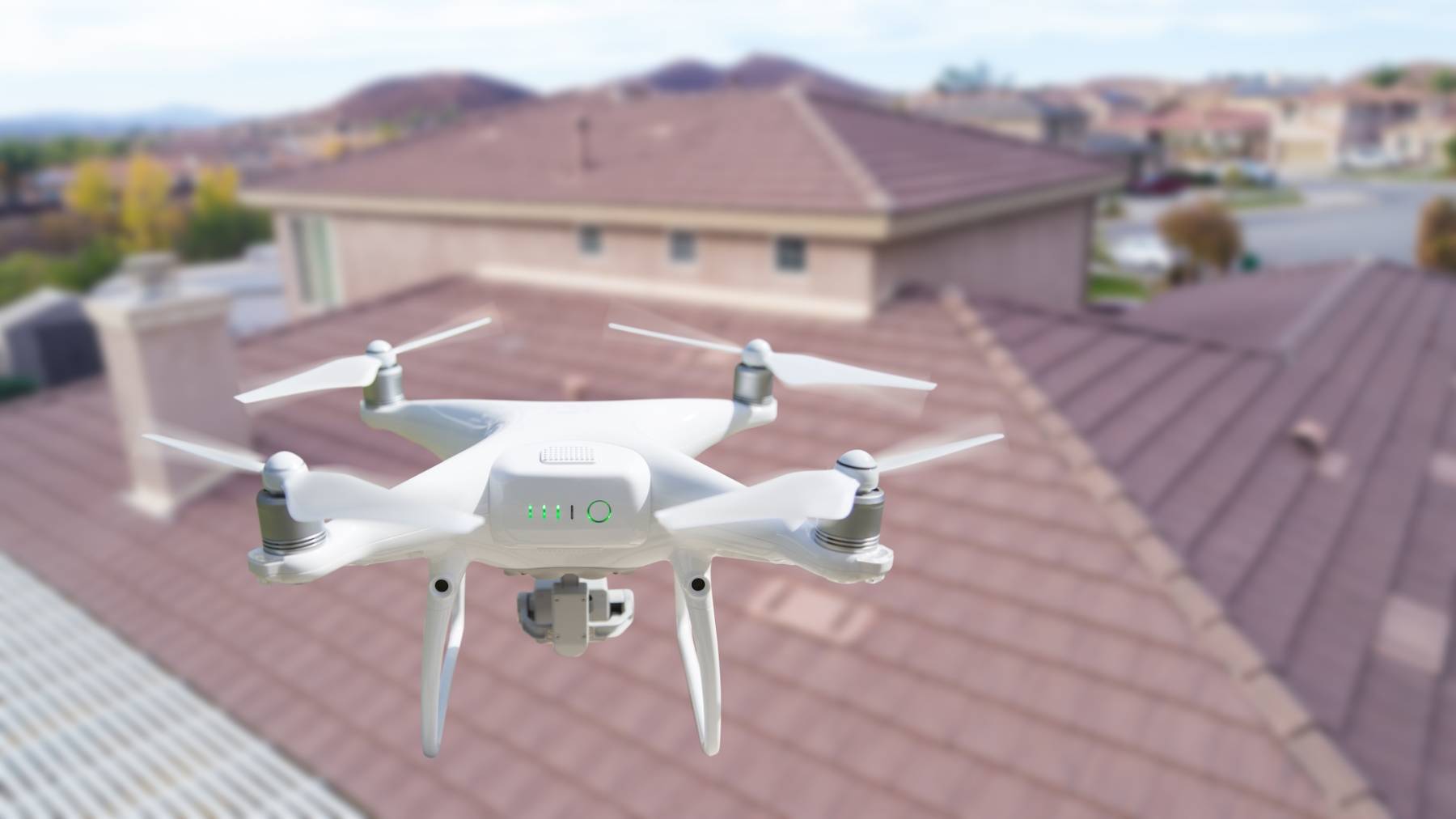
Roofs are one of the most expensive components of a home to replace, yet they are often the hardest part of the property to inspect thoroughly. Steep pitches, tall chimneys, and multi-story rooflines can put certain areas out of safe reach during a standard walkthrough. An aerial drone roof inspection solves that problem by putting a camera directly above the areas that matter most, capturing detailed footage without anyone needing to climb onto the roof itself.
Why an Aerial Drone Roof Inspection Matters for Sandhills Homes
Many homes throughout the Sandhills, particularly in older neighborhoods around Southern Pines and Pinehurst, feature complex rooflines with multiple valleys, dormers, and chimney penetrations. These are exactly the spots where flashing failures, missing shingles, and moisture intrusion tend to develop first. An aerial drone roof inspection allows every angle of the roof to be documented clearly, including sections that would otherwise require dangerous ladder work or simply go unexamined during a ground-level walkthrough.
What an Aerial Drone Roof Inspection Can Identify
Flashing around chimneys, skylights, and other roof penetrations is one of the most common trouble spots on any roof, and an aerial drone roof inspection captures close, high-resolution footage of these areas that would be nearly impossible to evaluate safely from a ladder. Missing, cracked, or curling shingles, granule loss, and signs of previous repair work all become visible in the resulting footage. An inspection can also help identify deficiencies before they turn into costly repairs, giving homeowners a documented record to reference when planning maintenance or negotiating repairs during a real estate transaction.
The Safety and Regulatory Side of an Aerial Drone Roof Inspection
Operating a drone commercially is not as simple as buying one off the shelf and flying it over a property. Commercial drone operations, including those used for an aerial drone roof inspection, fall under federal aviation rules. The FAA’s regulations for small unmanned aircraft systems cover a broad spectrum of commercial and government uses for drones weighing less than 55 pounds under 14 CFR Part 107. This means a properly conducted an inspection is performed by a licensed operator following federal airspace and safety requirements, not an unregulated hobbyist flight.
When to Request an Aerial Drone Roof Inspection
Homeowners preparing to sell, buyers evaluating a potential purchase, and current owners concerned about storm damage all benefit from an aerial drone roof inspection. After a significant wind or hail event common to central North Carolina, an inspection can quickly document any visible damage without requiring anyone to climb onto a potentially compromised roof surface. For real estate transactions, pairing an inspection with the full home inspection gives buyers and sellers a complete, well-documented picture of roof condition before decisions are made.
How an Aerial Drone Roof Inspection Complements a Full Inspection
An aerial drone roof inspection is not meant to replace a full home inspection, but rather to strengthen it. While the inspector examines the interior systems, attic space, and accessible exterior components, the drone captures the parts of the roof that are otherwise out of reach. Together, an inspection and a full structural evaluation give homeowners a complete understanding of the property from foundation to ridge line.
Frequently Asked Questions
How much does an aerial drone roof inspection cost? Pricing for an aerial drone roof inspection through Pineland Inspections starts at 150 dollars, typically added alongside a full home inspection.
Is an aerial drone roof inspection safe for the neighborhood? Yes. Flights are conducted by a licensed operator following federal aviation guidelines, focused directly on the property being inspected.
Can an aerial drone roof inspection replace a physical roof walk? In many cases, yes, particularly on steep or fragile roofing materials where a physical walk could cause damage or pose a safety risk to the inspector.
Does weather affect an aerial drone roof inspection? High winds or rain can delay a scheduled flight, so an aerial drone roof inspection is typically rescheduled rather than conducted in unsafe conditions.
Some parts of a roof were never meant to be reached by ladder. Pineland Inspections offers aerial drone roof inspections as part of a complete home inspection throughout Moore County, Lee County, Wake County, Harnett County, Cumberland County, Hoke County, Scotland County, Richmond County, Randolph County, and Chatham County. Schedule Your Inspection today to get a closer look at your roof.