
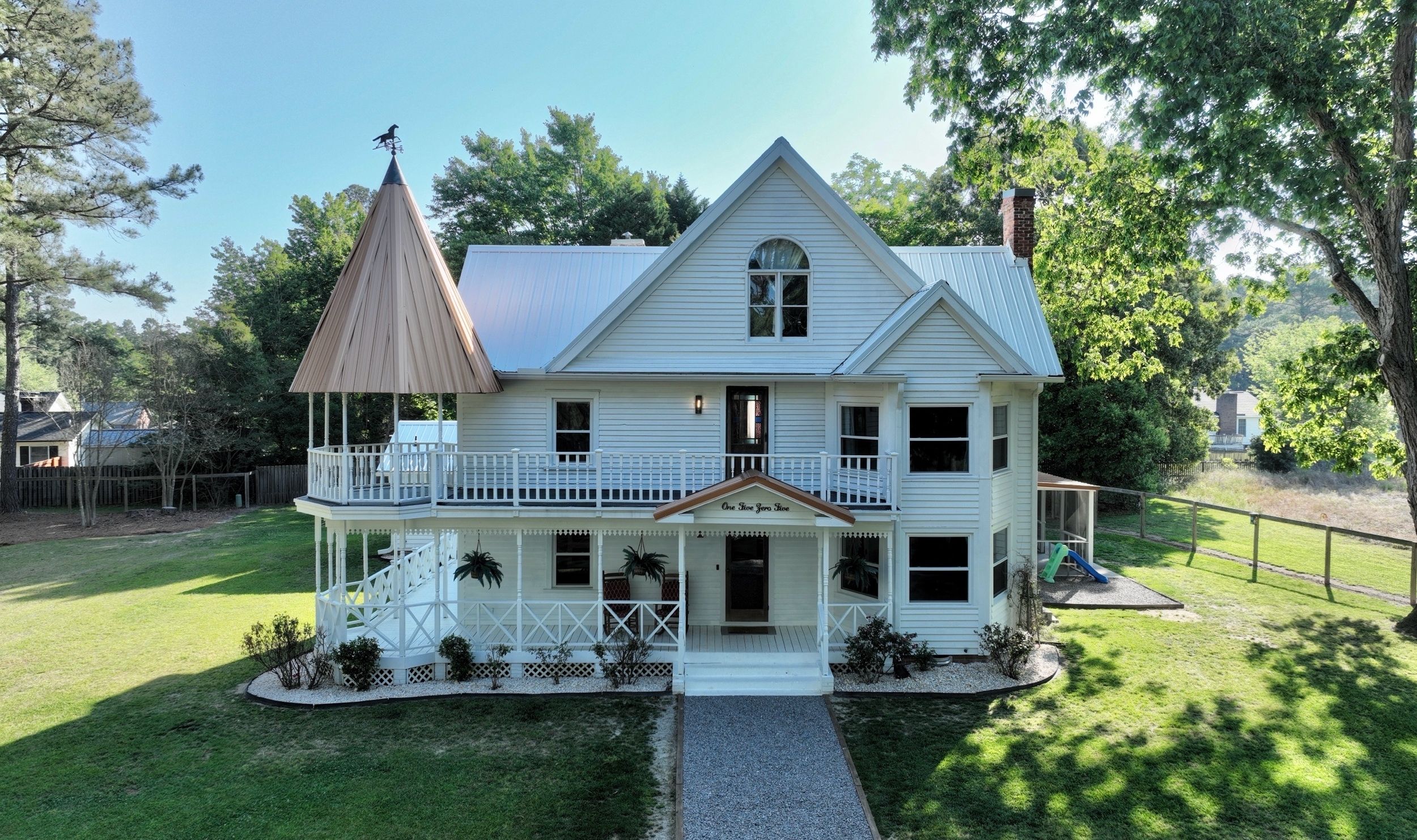
The Sandhills region carries a deep architectural history, with charming older homes scattered throughout Southern Pines, Pinehurst, and the surrounding communities that date back decades or, in some cases, over a century. These properties offer character that new construction simply cannot replicate, but they also require a different kind of scrutiny. A historic home inspection looks at the same systems as any other inspection, while paying close attention to the materials, methods, and quirks specific to older construction.
Why a Historic Home Inspection Differs from a Standard Inspection
A standard home inspection assumes certain baseline expectations around modern electrical capacity, plumbing materials, and structural techniques. A historic home inspection cannot make those same assumptions. Older homes may still have knob and tube wiring, cast iron or galvanized plumbing, and structural framing methods that were common decades ago but are rarely seen in new construction today. A historic home inspection accounts for these differences, distinguishing between original character that simply reflects the home’s age and genuine safety or structural concerns that need attention.
What a Historic Home Inspection Looks for Specifically
Foundation settling is common in older homes and does not always indicate an active problem, but a historic home inspection evaluates whether that settling has stabilized or is ongoing. Electrical systems receive particular attention, since outdated wiring can pose a genuine fire risk if it has not been updated over the years. Plumbing materials are also closely examined during a historic home inspection, as older pipe types can be prone to corrosion, reduced water flow, or complete failure that is not obvious from the outside. Roofing, window condition, and any additions or renovations completed over the home’s lifetime round out the areas a historic home inspection typically covers in depth.
The Value of Historic Preservation Context
Homeowners considering renovations to a historic property may find that certain changes require additional review, particularly if the home carries a local historic designation. The North Carolina State Historic Preservation Office assists private citizens, local governments, and state and federal agencies in the identification, evaluation, and protection of properties significant to North Carolina history. A historic home inspection does not replace guidance from that office regarding designation status, but it does give owners a clear technical picture of the property’s current condition before any preservation planning begins.
Buying a Historic Home in the Sandhills
Buyers drawn to the character of a historic property should treat a historic home inspection as an essential step rather than a formality. Older homes can carry hidden costs related to updating electrical service, replacing outdated plumbing, or addressing structural issues that developed slowly over many decades. A thorough historic home inspection gives buyers a realistic understanding of what they are taking on, allowing them to budget appropriately or negotiate repairs before closing rather than discovering costly surprises after moving in.
Maintaining a Historic Home After the Sale
Ongoing maintenance looks different for older properties than it does for newer construction. Many owners schedule a periodic historic home inspection even after the initial purchase, simply to track how the home is holding up over time and catch small issues before they become significant repairs. This proactive approach helps preserve both the character and the structural integrity of a property that has already stood the test of time.
Frequently Asked Questions
Does a historic home inspection take longer than a standard inspection? Often yes, since older homes tend to have more unique conditions and materials that require careful documentation and explanation.
Will a historic home inspection flag outdated wiring as an automatic failure? No single item is treated as a pass or fail. A historic home inspection documents the condition so buyers and owners can make informed decisions about updates.
Can a historic home inspection help with insurance requirements? Yes. Many insurers request documentation of electrical and plumbing conditions before issuing or renewing coverage on an older home, and a historic home inspection provides that record.
Does Pineland Inspections have experience with historic properties in the Sandhills? Yes. Historic homes are listed among Pineland Inspections’ specialized service areas, alongside new construction, pools, and environmental testing.
Older homes deserve an inspector who understands their history as well as their systems. Pineland Inspections provides thorough historic home inspection services throughout Moore County, Lee County, Wake County, Harnett County, Cumberland County, Hoke County, Scotland County, Richmond County, Randolph County, and Chatham County. Schedule Your Inspection today to protect the character and integrity of your historic property.