
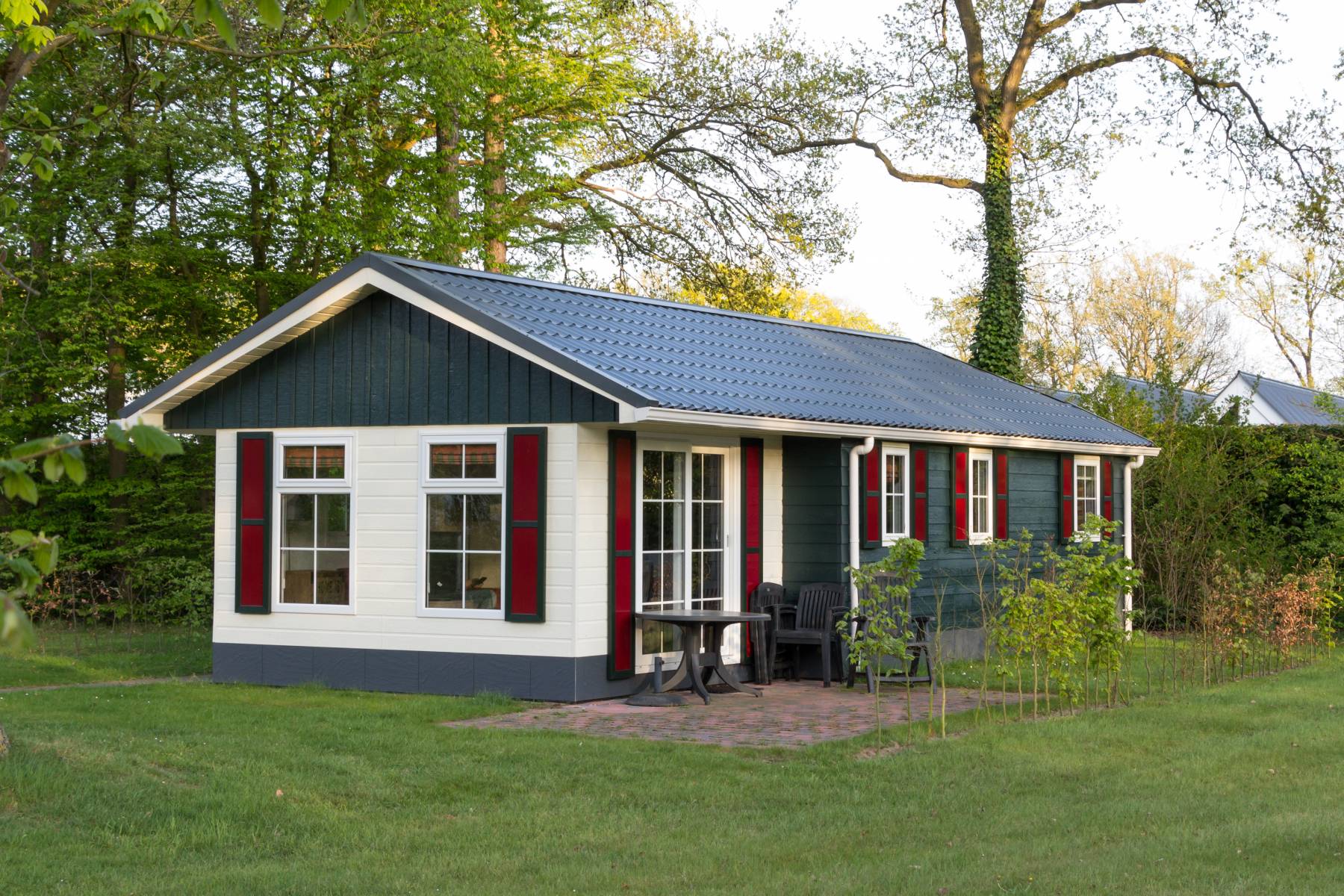
Manufactured and modular homes make up a meaningful share of housing throughout the Sandhills, offering an affordable and often faster path to homeownership compared to traditional site-built construction. These homes are still held to specific engineering and installation standards, and manufactured and modular home engineering certifications exist to confirm that a given property actually meets them. Whether buying, selling, refinancing, or simply making changes to an existing home, understanding these certifications matters.
What Manufactured and Modular Home Engineering Certifications Verify
A manufactured or modular home is built off-site in a factory setting, then transported and installed on a foundation at its final location. Manufactured and modular home engineering certifications confirm that the foundation system, anchoring, and overall installation meet the standards required for the home’s specific soil class and construction type. This is distinct from the home’s original factory construction, which is governed by federal HUD Code standards for manufactured homes or the state building code for modular units. Manufactured and modular home engineering certifications focus specifically on whether the home was set up correctly at its current site.
Why These Certifications Matter for Financing and Insurance
Lenders and insurers frequently require documentation confirming that a manufactured or modular home is properly anchored and installed before approving financing or issuing a policy. Manufactured and modular home engineering certifications provide that documentation in a format lenders recognize, reducing delays during a purchase or refinance. Without this certification, buyers can encounter unexpected roadblocks late in the financing process, particularly with loan programs that have specific requirements for manufactured housing.
The Regulatory Framework Behind Manufactured and Modular Home Engineering Certifications
North Carolina maintains specific oversight for this type of housing through the NC Department of Insurance’s Manufactured Building Division, which handles standards, compliance, and consumer guidance for manufactured and modular homes across the state. Manufactured and modular home engineering certifications are part of the broader framework that keeps these homes held to consistent structural expectations across the state, regardless of which manufacturer originally built the unit.
When Manufactured and Modular Home Engineering Certifications Are Needed
Buyers purchasing an existing manufactured or modular home should request current engineering certification as part of their due diligence, particularly if the home’s foundation or anchoring system has never been formally verified. Homeowners planning an addition or structural modification to a manufactured home should also expect that changes may need to be reviewed against the original certification, since alterations can affect compliance with the home’s original engineering approval. Manufactured and modular home engineering certifications are also commonly requested when a home is being relocated to a new site, since soil conditions and anchoring requirements vary from one location to the next.
What the Inspection and Certification Process Involves
Obtaining manufactured and modular home engineering certifications typically involves a site visit to evaluate the foundation, anchoring system, and overall installation against applicable standards. The inspector documents whether the current setup meets requirements for the home’s soil classification and prepares a report that can be submitted to lenders, insurers, or local permitting offices as needed. This process gives homeowners a clear, documented answer about whether their home’s foundation and installation are compliant, rather than relying on assumptions from the original installation.
Frequently Asked Questions
Do all manufactured homes need engineering certifications? Requirements vary by lender, insurer, and jurisdiction, but many financing programs specifically require documentation confirming proper foundation and installation.
How long does the manufactured and modular home engineering certification process take? A site visit and report typically take a few business days to complete, though timing can vary depending on the complexity of the foundation system.
Does a modular home need the same certification as a manufactured home? Modular homes are built to the state residential building code rather than the federal HUD Code, but they still require documentation confirming proper installation and foundation compliance.
What happens if my manufactured home fails to meet certification standards? The report will identify specific deficiencies, giving homeowners a clear path to remediation through a licensed contractor before resubmitting for certification.
Manufactured and modular housing deserves the same careful documentation as any other home. Pineland Inspections provides manufactured and modular home engineering certifications throughout Moore County, Lee County, Wake County, Harnett County, Cumberland County, Hoke County, Scotland County, Richmond County, Randolph County, and Chatham County. Schedule Your Inspection today to get your certification handled correctly.