
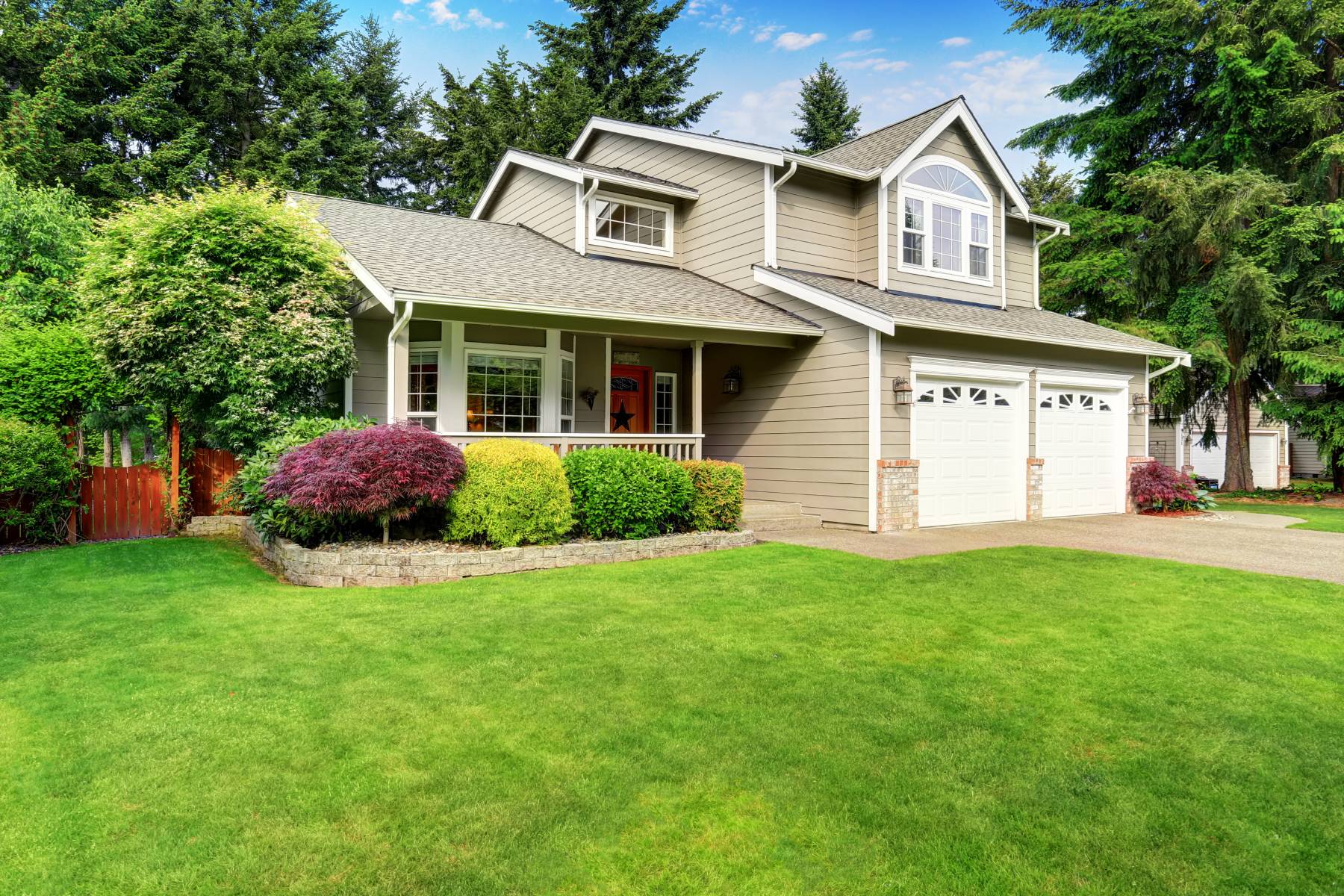
Most homeowners think of an inspection as something that happens to them, ordered by a buyer after an offer has already been accepted. A seller’s pre-listing inspection flips that order entirely. Instead of waiting to react to whatever a buyer’s inspector finds, you commission your own inspection before the home ever hits the market. In a competitive Sandhills market where buyers are comparing multiple listings around Moore, Lee, and Harnett Counties, that head start can be the difference between a smooth closing and a renegotiated contract three weeks into escrow.
What a Seller’s Pre-Listing Inspection Actually Covers
A seller’s pre-listing inspection follows the same full-service process as a buyer’s inspection. The inspector examines the roof, structure, electrical panel, plumbing, HVAC system, and every major mechanical component of the home. Every inspection performed by Pineland Inspections also includes thermal imaging at no added cost, which means hidden moisture intrusion or an overheating electrical connection can be flagged before a buyer’s inspector ever sets foot on the property. The goal of a seller’s pre-listing inspection is not to hide problems. It is to know about them early enough that you have options.
Why Sellers in the Sandhills Choose to Inspect First
Homes throughout Southern Pines, Pinehurst, and the surrounding Sandhills communities range from decades-old properties to brand-new construction, and each carries its own set of likely issues. A seller’s pre-listing inspection lets you address a failing water heater, an aging HVAC unit, or a roof nearing the end of its service life on your own schedule and with your own choice of contractor, rather than under pressure from a buyer’s repair request during a tight due diligence period. Sellers who complete a pre-listing inspection also gain a stronger negotiating position, since a clean report or a documented list of completed repairs gives buyers fewer reasons to ask for a price reduction.
Setting the Right Price with Confidence
Pricing a home accurately depends on more than comparable sales down the street. A seller’s pre-listing inspection gives you and your listing agent a clear, documented picture of the property’s actual condition, which supports a listing price that holds up under buyer scrutiny. The standard Residential Property and Owners’ Association Disclosure Statement maintained by the North Carolina Real Estate Commission already requires sellers to answer detailed questions about the condition of major systems and components. A seller’s pre-listing inspection makes those disclosures far easier to complete accurately, since you are working from a professional report rather than memory or guesswork.
Avoiding Surprises During Due Diligence
North Carolina’s due diligence period gives buyers the right to walk away from a contract for almost any reason, including inspection findings, and that flexibility works against sellers who go into a listing blind. A seller’s pre-listing inspection removes much of that uncertainty. When a buyer’s inspector arrives and finds nothing that was not already disclosed, the transaction tends to move forward without the renegotiation, price reduction, or last-minute repair scramble that derails so many contracts in the final stretch before closing.
New Construction and Historic Homes Benefit Differently
New construction sellers in the growing communities near Fort Liberty may assume a newly built home needs no pre-listing attention, but construction defects are common even in homes still under builder warranty. Historic homes throughout the Sandhills carry the opposite risk, with aging wiring, older plumbing materials, and structural settling that a seller’s pre-listing inspection can document clearly for a buyer who already expects some character-driven quirks. In both cases, a seller’s pre-listing inspection sets realistic expectations before a buyer ever walks through the door.
Frequently Asked Questions
Does a seller’s pre-listing inspection replace the buyer’s own inspection? No. Buyers and their agents will almost always want their own inspection, but a seller’s pre-listing inspection gives you a preview of what that inspection is likely to find, along with time to address anything significant.
Do I have to disclose everything found during a seller’s pre-listing inspection? North Carolina disclosure law requires sellers to answer known material facts truthfully. A pre-listing inspection report becomes part of what you know, so it should inform your disclosure statement honestly.
How much does a seller’s pre-listing inspection cost? Pricing for a full seller’s pre-listing inspection through Pineland Inspections starts at 385 dollars, the same starting rate as a standard buyer’s inspection, since the scope of work is identical.
How soon before listing should I schedule the inspection? Most sellers schedule their pre-listing inspection three to four weeks before their target listing date, which leaves time to gather repair estimates or complete minor fixes without delaying the sale.
Going into a sale with clear eyes is worth far more than the inspection fee itself. Pineland Inspections provides thorough seller’s pre-listing inspections throughout Moore County, Lee County, Wake County, Harnett County, Cumberland County, Hoke County, Scotland County, Richmond County, Randolph County, and Chatham County. Schedule Your Inspection today and list your home with confidence.